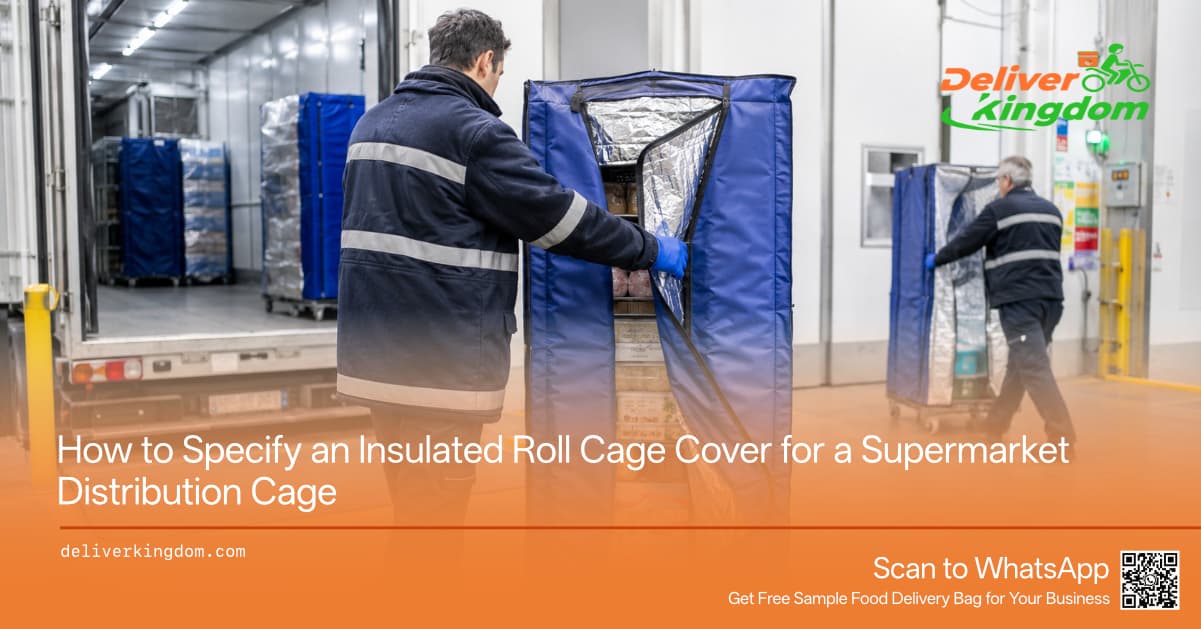
Table of Contents Why a Supermarket Distribution Center Starts with Two Trial Covers Can a Standard Roll Cage Cover Fit a 660 × 830 × 1901 mm Cage? Why Cage Dimensions Alone Are Not Enough for Final Production How an Insulated Roll Cage Cover Supports Chilled Food Distribution Choosing the Opening, Zipper, and Access Structure What Materials Should Be Considered for Daily Distribution Center Use? ...
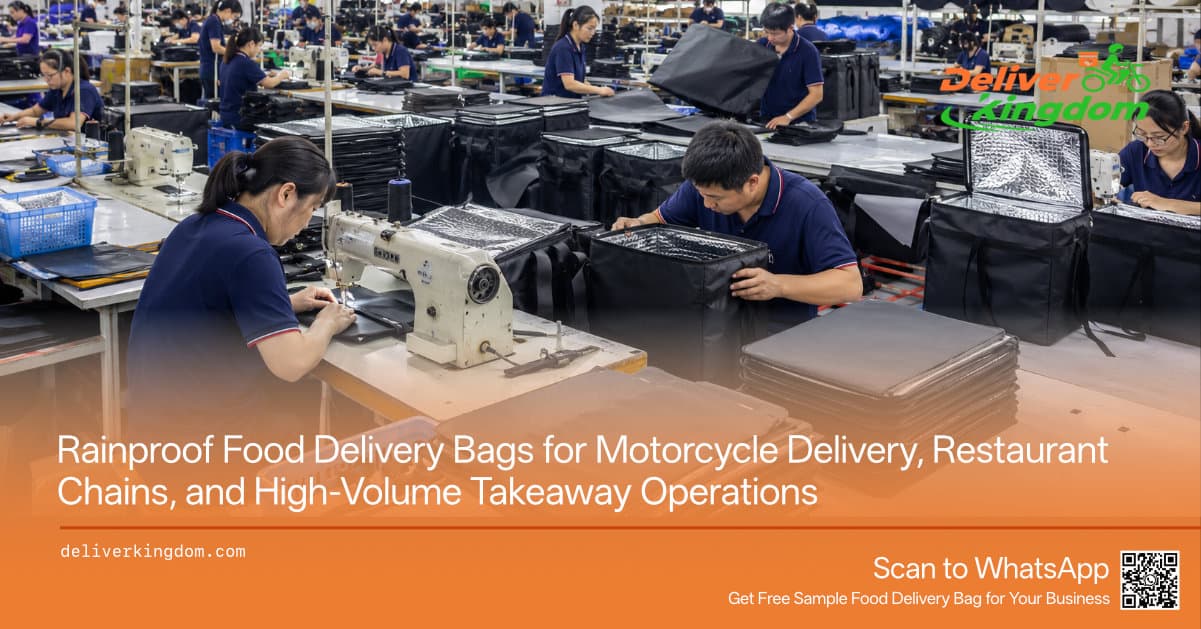
Table of Contents Why Rainy-Day Food Delivery Creates Bigger Business Problems How a Weak Delivery Bag Damages Food, Packaging, and Brand Trust Why a Rainproof Food Delivery Bag Matters for Motorcycle Delivery Thermal Insulation for Hot Meals, Cold Drinks, and Longer Routes Odor Control and Easy Cleaning for Repeated Takeaway Service Lightweight Structures That Riders Actually Want to Use Custom I...
Table of Contents Why Central Kitchen Delivery Needs More Than an Ordinary Thermal Bag How Dispatch Delays Affect Food Temperature and Meal Quality Organizing Large Numbers of Meal Boxes Without Slowing Down Loading Insulated Bags for Scheduled Office, School, and Hospital Meal Routes Waterproof and Easy-Clean Materials for Repeated Daily Distribution Foldable Structures That Reduce Storage and Re...
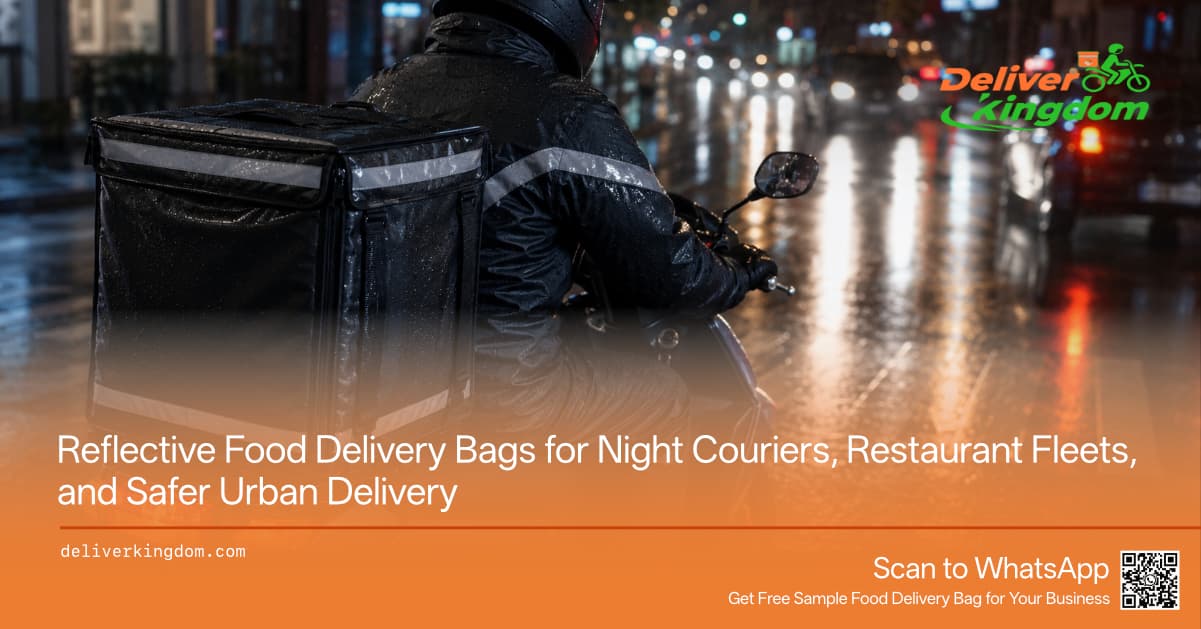
Table of Contents Why Night Delivery Changes the Requirements for Food Delivery Bags How Poor Visibility Creates Risks for Riders and Restaurant Brands Keeping Hot Meals Stable During Long Evening Delivery Routes Reflective Details That Improve Rider Visibility Without Making the Bag Awkward Waterproof Materials for Rain, Road Splash, and Nighttime Street Conditions Lightweight and Organized Bags ...
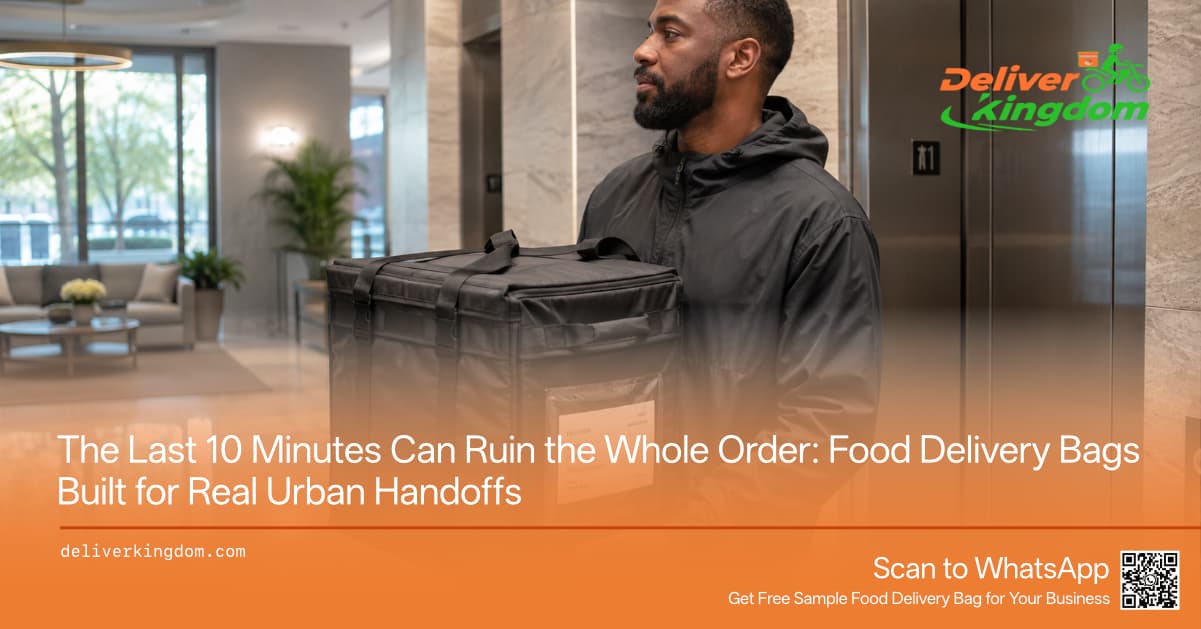
Table of Contents Why the Final Ten Minutes of Delivery Are Often the Most Difficult How Office Lobbies, Security Desks, and Elevators Change Food Temperature Building More Thermal Buffer into Everyday Delivery Operations Keeping Multiple Orders Organized During Building-to-Building Delivery Designing Bags for Riders Who Need to Stop, Carry, Wait, and Move Again Custom Food Delivery Bags for High-...
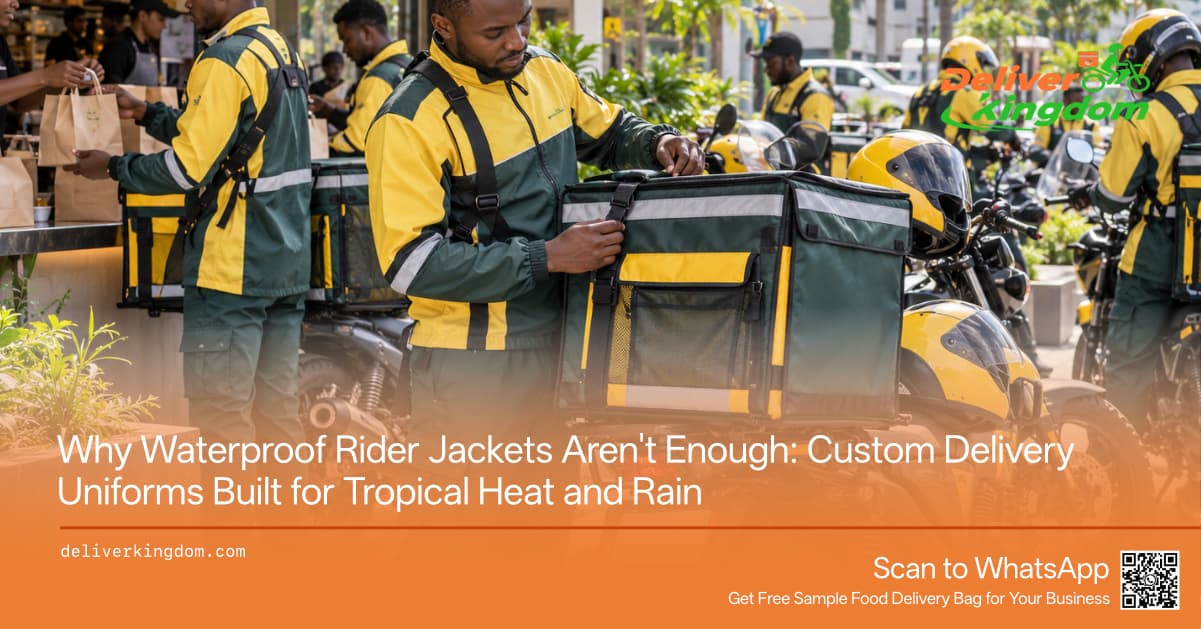
Table of Contents Why Delivery Rider Uniforms Fail in Hot and Rainy Conditions The Problem with Choosing Waterproof Jackets Based on Ratings Alone Lightweight Waterproof Rider Jackets for Tropical Delivery Fleets Breathable Long-Sleeve Rider Shirts for Hot Weather Operations Durable Rider Trousers That Balance Comfort, Protection, and Storage Reflective Safety Materials and Visibility During Night...





 Get a Quote Online