Contact Buttons
  • Foreign trade to stay robust
    Foreign trade to stay robust
    January 17, 2022
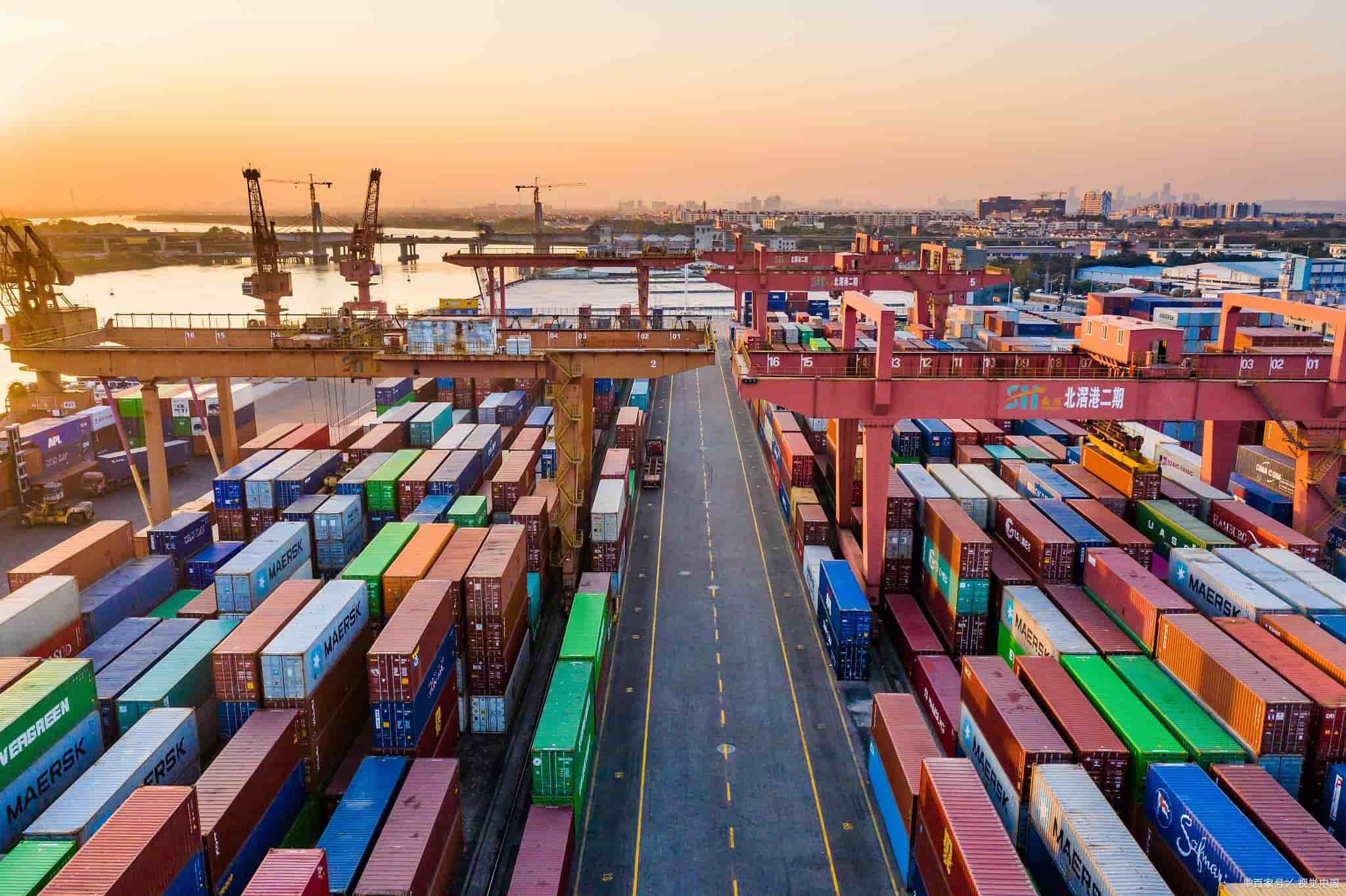
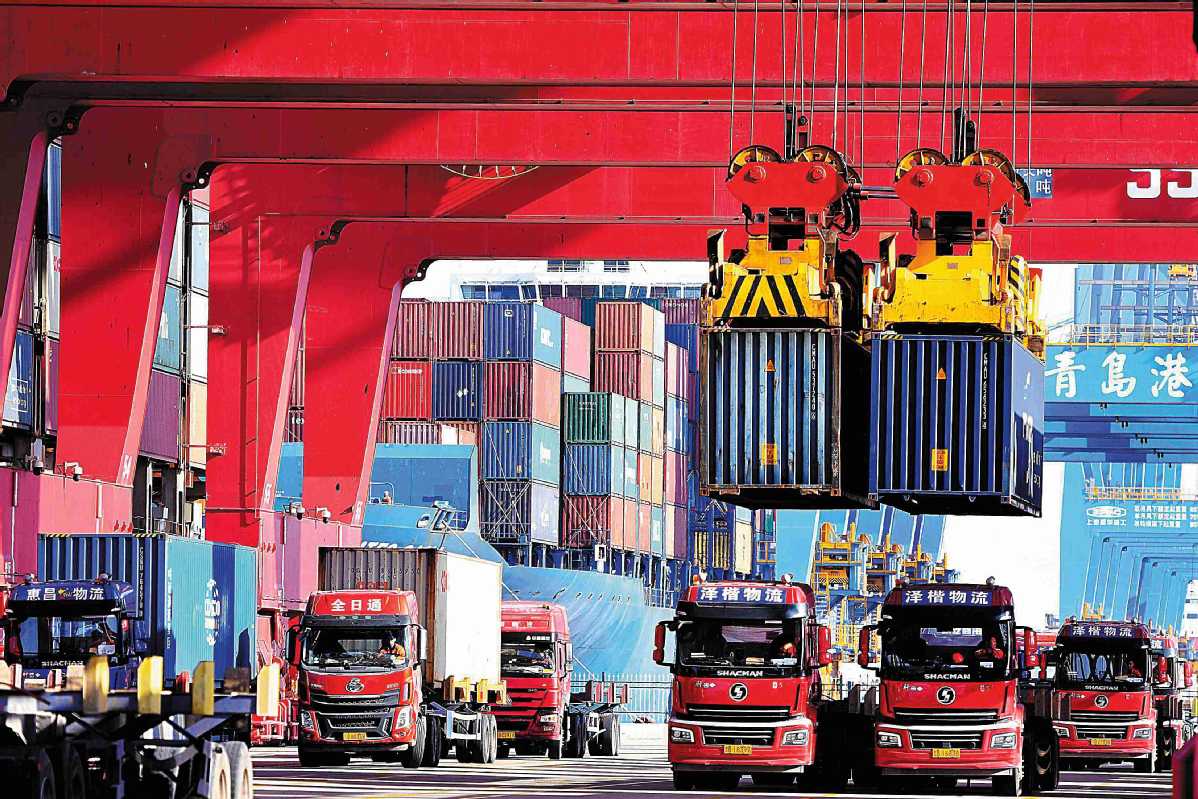
    Positive outlook for 2022, but weaker overseas demand may have impact Supported by reliable fundamentals and the strong resilience of the Chinese economy, the nation's foreign trade is expected to sustain its upward momentum this year and make more contributions to stabilizing global industrial and supply chains, despite various challenges such as the high comparison base last year and the slowdown in the global economic rebound, according to officials and experts on Friday. To facilitate foreign trade growth, they said the nation needs to accelerate the establishment of the new dual-circulation development pattern that takes the domestic market as the mainstay and lets the domestic and foreign markets reinforce each other, while strengthening cross-cyclical adjustments. The nation's imports and exports hit $6.05 trillion in 2021, setting a new historic record following a previous high of $4 trillion in 2013, according to data released by the General Administration of Customs on Friday. In renminbi terms, the total foreign trade in 2021 was 39.1 trillion yuan, surging 21.4 percent from a year earlier. Exports were 21.73 trillion yuan, up 21.2 percent year-on-year, while imports expanded by 21.5 percent on a yearly basis to 17.37 trillion yuan. "China's impressive exports significantly offset production disruptions from COVID-19 in other countries, meeting global demand and helping to tame price surges in the world, while its expanding imports boosted economic recovery in related economies, " said Zhou Xuezhi, a researcher at the Institute of World Economics and Politics of the Chinese Academy of Social Sciences. "The better-than-expected performance last year was mainly due to the relatively strong global economic rebound as well as China's stable industrial and supply chains thanks to its effective control of COVID-19. "But export growth in 2022 will likely become more moderate due to the high comparison base and weaker overseas demand." Li Kuiwen, the GAC's spokesman and director-general of its statistics and analysis department, told a news briefing in Beijing on Friday that foreign trade growth in 2022 will be challenged by multiple factors including "shrinking demand, supply shocks and weakening expectations" facing the domestic economy, as well as increasing uncertainties in the external environment. To support the growth in foreign trade, multiple measures targeting overall economic development are expected to add resilience to the sector, according to analysts. Tu Xinquan, dean of the China Institute for WTO Studies at the University of International Business and Economics in Beijing, said as more economies reopen and relax disease control measures, China needs to seek a better balance between strict disease prevention and control and economic growth, to further uplift foreign trade. The establishment of the dual-circulation development pattern and the pursuit of common prosperity are expected to accelerate and increase people's incomes, ...
  • WoodSpoon, a food delivery service offering home-cooked meals, opens in N.J.
    WoodSpoon, a food delivery service offering home-cooked meals, opens in N.J.
    January 14, 2022
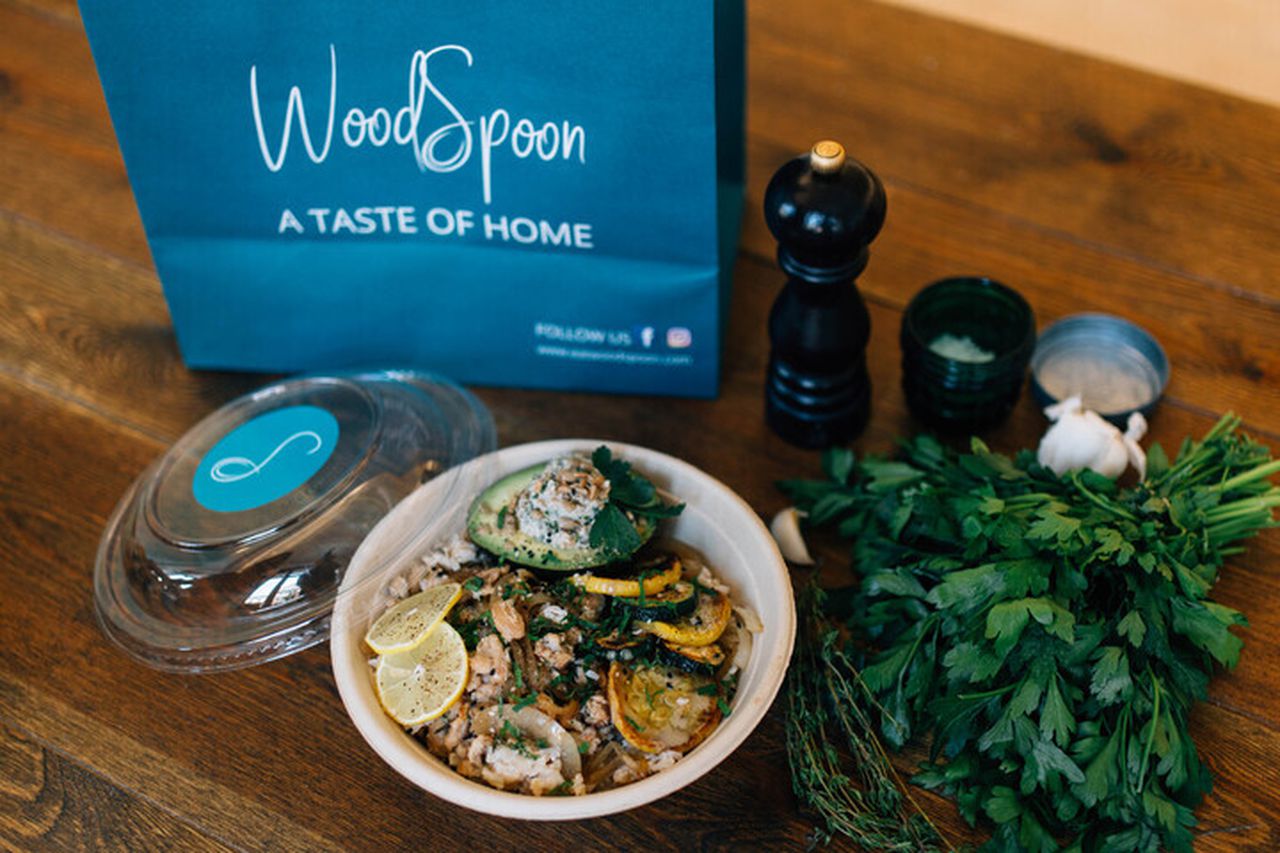
    An on-demand meal delivery service linking local chefs with people craving home-cooked meals announced its expansion to New Jersey this week after a successful trial run in New York. Woodspoon enables customers to order food delivery from home chefs that includes everything from family meals to Michelin-star worthy creations. According to Woodspoon, the home chefs specialize in a variety of cuisines, and the company handles business logistics like payment, packaging materials and delivery service. A meal for two typically costs between $20-$40, Woodspoon said. It is ultimately up to the home chefs to price their dishes, although Woodspoon recommends competitive prices. The chefs keep their earnings. Customers must pay a service fee that goes to Woodspoon to help cover “payment transactions, packaging in eco-friendly containers, reusable bags and delivery,” according to the company. In New York City, Woodspoon has a network of 250 chefs, who can create a profile on the website and app to help build their brand and customer base. “As we’ve seen a huge demand in the home-cooked meal space, expanding into additional major cities and locations has been our main objective,” WoodSpoon CEO and Co-Founder Oren Saar told NJ Advance Media. “We look forward to bringing something new to these markets and providing more consumers with home-cooked meal options that they did not have before.” The home chefs use a separate app from Woodspoon to manage their orders, name their meals, take pictures of the food and more. The ordering and delivery process works “similarly to how an Uber driver accepts passengers,” the company said. Once a chef accepts an order, an onscreen timer tells the chef how much time they have to make the order and pack it up. The company provides the chefs with packaging and delivery materials. As the chef cooks the order, a third-party delivery services contracted out by Woodspoon gets notified. All chefs must go through an application process that includes interviews, kitchen inspections and a tasting test, according to the company. Each chef is also trained in food safety techniques that are in compliance with standards set forth by the U.S. Food and Drug Administration. Woodspoon’s ambitions to expand are not stopping in New Jersey. The company is also looking at expanding to other locations throughout the U.S.
  • China to implement RCEP tariffs on ROK goods
    China to implement RCEP tariffs on ROK goods
    January 14, 2022
    BEIJING -- Starting from Feb 1, China will adopt the tariff rate it has pledged under the Regional Comprehensive Economic Partnership (RCEP) agreement on selected imports from the Republic of Korea, a statement released by the Customs Tariff Commission of the State Council said Thursday. The move will come on the same day as the RCEP deal comes into force for the ROK, said the statement. The ROK has recently deposited its instrument of approval to the Secretary-General of ASEAN, who is the depositary of the RCEP agreement. For the years after 2022, annual tariff adjustments as promised in the agreement will take effect on the first day of each year. The ROK's RCEP implementation would further bolster regional economic and trade cooperation and bring mutual benefits to all RCEP members, added the statement. As the world's largest free trade agreement, the RCEP agreement entered into force on Jan 1. After it takes effect, more than 90 percent of merchandise trade among members that have approved the accord will eventually be subject to zero tariffs. The RCEP was signed on Nov 15, 2020, by 15 Asia-Pacific countries -- ten members of the Association of Southeast Asian Nations and China, Japan, the Republic of Korea, Australia, and New Zealand -- after eight years of negotiations that started in 2012.
  • NE China airport sees robust cargo throughput to Russia
    NE China airport sees robust cargo throughput to Russia
    January 14, 2022
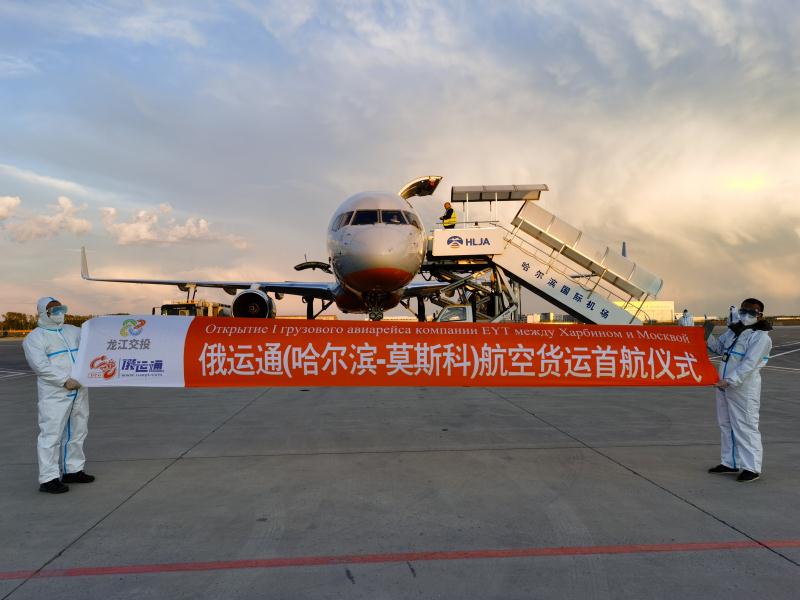
    HARBIN -- Harbin Taiping International Airport in Northeast China's Heilongjiang province, saw robust air cargo throughput to Russia in 2021, thanks to the booming e-commerce cargo charter flight service, the airport said. The airport handled a total of 199 cargo charter flights transporting about 6,550 tons of cargo to Russia in 2021, a year-on-year increase of more than 130 percent and a record high, according to the airport. The airport's freight service to Ekaterinburg, Russia's fourth largest city, became China's first e-commerce cargo charter flight service to Russia when it was opened in 2013. The air logistic route helps Russian buyers save cost and delivery time when purchasing Chinese commodities via online platforms. In 2021, the airport launched a cargo charter flight service to Moscow, with six flights on average per week. The airport data shows that from 2013 to the end of 2021, it had seen nearly 1,000 e-commerce cargo charter flights to Russia, delivering more than 20,000 metric tons of cargo.
  • China's foreign trade up 21.4% in 2021
    China's foreign trade up 21.4% in 2021
    January 14, 2022
    China's foreign trade in goods went up 21.4 percent year-on-year in 2021 to 39.1 trillion yuan, customs data showed on Friday. More content to follow.
  • Instacart Aims to Price out DoorDash With Launch of Meal Delivery
    Instacart Aims to Price out DoorDash With Launch of Meal Delivery
    January 14, 2022
    With its latest initiative, Instacart is firing back at the leading restaurant aggregators, such as DoorDash, Uber Eats and Grubhub, which have been moving further into the grocery delivery space. Now, Instacart is retaliating, selling hot food. The online grocery platform announced Thursday (Jan. 13) the launch of its new Ready Meals Hub, with cooked foods from a number of Ahold Delhaize- and Kroger-owned top grocery brands already available. The news release billed these options as “cost-effective alternatives to restaurant takeout,” a clear play for aggregators’ customers. “With our new Ready Meals Hub, we’re dishing up inspiring, more affordable and nutritious food alternatives to restaurant delivery that make it easier for consumers to break up with takeout this year,” said Instacart Vice President and Head of Product Daniel Danker in the release. “We’re also helping retailers drive more sales and increase their ‘share of stomach’ when it comes to their customers’ daily mealtime decisions.” The news comes as grocers are increasingly trying to reposition themselves as not only purveyors of ingredients but as one-stop shops meeting all of consumers’ food and beverage needs. Discussing the opening of Kroger’s first in-store restaurant with Kitchen United Friday (Jan. 7), Ralphs Vice President of Merchandising Kendra Doyel reframed the store as an “answer [to] the all-important ‘What’s for dinner?’ question.” Meanwhile, Walmart, the largest grocery retailer in the world, has been adding multi-brand ghost kitchens to its stores, while other brands have been expanding and improving their grocerant offerings. Just as grocers are extending their reach to more kinds of food, consumers are increasingly viewing their food spending not as separate restaurant and grocery categories but as one connected “eat” category. The launch of Instacart’s Ready Meals Hub serves to further blur these lines. If Instacart can so much as make a dent in the ready-made meal delivery space, the market opportunity is sizable, suggest findings from the November edition of PYMNTS’ Digital Divide report, “Digital Divide: Aggregators and High-Value Restaurant Customers,” created in collaboration with Paytronix, which featured census-balanced surveys of more than 2,100 United States adults about their ordering behaviors. The study found that high-spending, high-frequency restaurant customers — those who spend more than $40 per purchase on average and who order at least once a week — account for 25% of all restaurant customers. Fifty-nine percent of these consumers use Uber Eats, 58% use DoorDash and 55% use Grubhub. The benefits for Instacart are clear if it can get into the meal-ordering rotation with these high-value consumers. Back in October, Instacart announced the acquisition of catering software company FoodStorm. At the time, Mark Schaaf, Instacart’s chief technology officer, commented that the move was motivated by an aim to “ensure more of their customers’ everyday mea...
  • Food Service Platforms Meal Ticket, MarketMan Merge
    Food Service Platforms Meal Ticket, MarketMan Merge
    January 13, 2022
    Meal Ticket, a business management solution for the food service industry, and MarketMan, an inventory management platform for restaurants, have an announced a merger backed by a $100 million investment from the growth equity firm PSG. The companies announced their merger Wednesday (Jan. 12), saying it would join their software and provide “more automated, efficient interactions between food service distributors and restaurant operators.” Founded in 2011, Meal Ticket’s platform offers distributors “customer-first” insights to help better serve clients and increase sales. MarketMan, launched in 2013, lets restaurants manage orders and inventory, monitor the cost of food and analyze back-of-the-house operations to save time and drive profitability. The two companies say they will continue to operate their existing products while developing new offerings together, and plan to “significantly” expand Tel Aviv and New York office staff, with a special focus on the engineering and product development teams based in Israel. “Meal Ticket and MarketMan are natural complements to each other’s businesses,” said Wink Jones, CEO of Meal Ticket. “Meal Ticket analyzes over $40 billion in supply chain transactions from its food distributor customers, while MarketMan has a significant footprint of over 7,000 paying restaurant locations around the globe buying from thousands of distributors.” MarketMan CEO Noam Wolf added that the deal was a “unique opportunity” to continue serving restaurants, “but also accelerate the development of the platform.” “With significant new investment capital from PSG, an experienced growth investor in B2B SaaS and payments, as well as significant resources and expertise from Meal Ticket, we will be able to push forward a variety of exciting product initiatives for years to come,” Wolf continued. PYMNTS spoke to Wolf last year as part of a roundtable discussion about embedded payments. He spoke about the realization that embedded payments, tied to a range of other restaurant management tools, presented a great revenue opportunity. As Wolf put it, some entrepreneurs focus on building better horses, not on upgrading to cars. In other words, they’re thinking about working with the tools they have, rather than imagining what they could have.
  • Square Launches On-Demand Delivery, DoorDash Partners with Girl Scouts
    Square Launches On-Demand Delivery, DoorDash Partners with Girl Scouts
    January 13, 2022
    The Girl Scouts partner with DoorDash for on-demand cookie deliveries, and Just Eat Takeaway leverages its scale to outlast competitors. Plus, food delivery services struggle in the United States to become super apps. Square Adds On-Demand Delivery in Canada Square has launched delivery for Square Online orders in Canada through DoorDash Drive, DoorDash’s white-label fulfillment platform, making Canada the first international market to offer on-demand delivery after the service launched in the U.S. in 2020, according to a Wednesday (Jan. 12) press release. In the US, Food Delivery Services Struggle to Achieve Super App Status Food delivery services have the opportunity to quickly become indispensable. Yet, while some apps around the world have been able to parlay this relationship into other categories — becoming super apps that fulfill the bulk of consumers’ digital needs — none in the United States have been able to follow in their footsteps. Just Eat Takeaway Aims to Leave ‘No More Oxygen’ for Competitors Globally Around the world, in the competitive food delivery category, the win condition is shifting. Where in 2020 and 2021, the goal was to capture the largest market share, now the stakes are rising. On a call with analysts Wednesday (Jan. 12) discussing its fourth quarter 2021 financial results, delivery giant Just Eat Takeaway shared that its goal now is to outperform rivals to the point where they bow out completely. For On-Demand Cookie Delivery, Girl Scouts Ditches Grubhub for DoorDash With the door-to-door sales model proving questionable at best amid widespread contagion concerns, Girl Scouts are once again taking a hybrid approach to cookie sales, this time with a new digital ordering partner.
1 6 7 8 9 10
A total of10pages

Leave A Message

Leave A Message
If you are interested in our products and want to know more details,please leave a message here,we will reply you as soon as we can.

Home

Products

Facebook

whatsapp